There’s NO BETTER TIME TO VISIT OMEO.


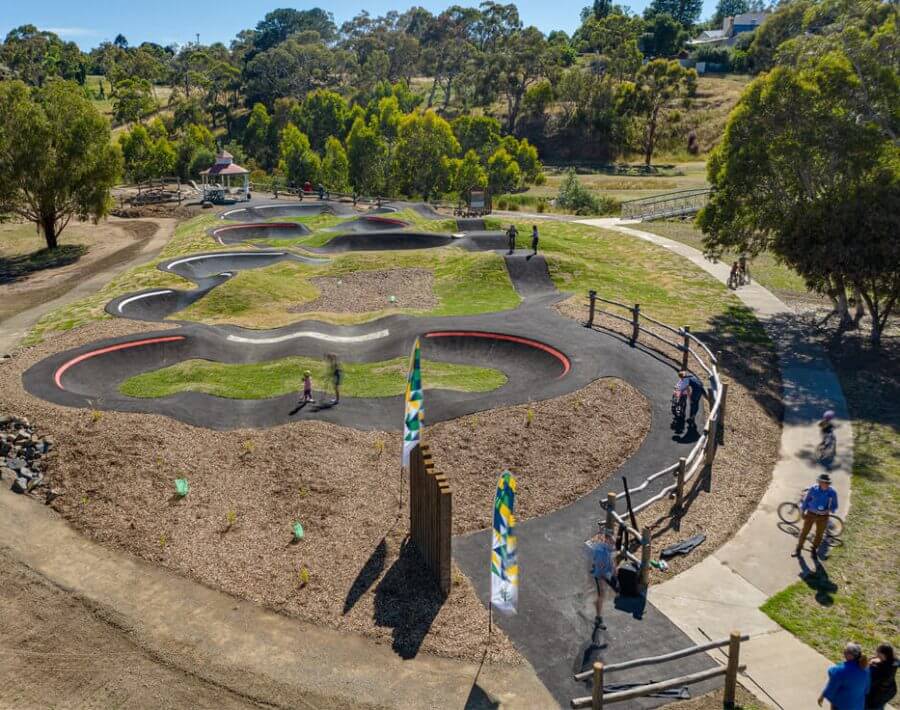
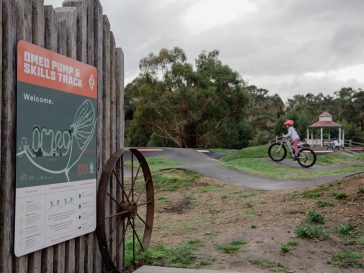
Built by the best in the business, Omeo’s brand spanking, new, world class pump and skills track will test beginners and experts alike.


From the wilds of Benambra, to the valleys around Ensay, where should you visit first?

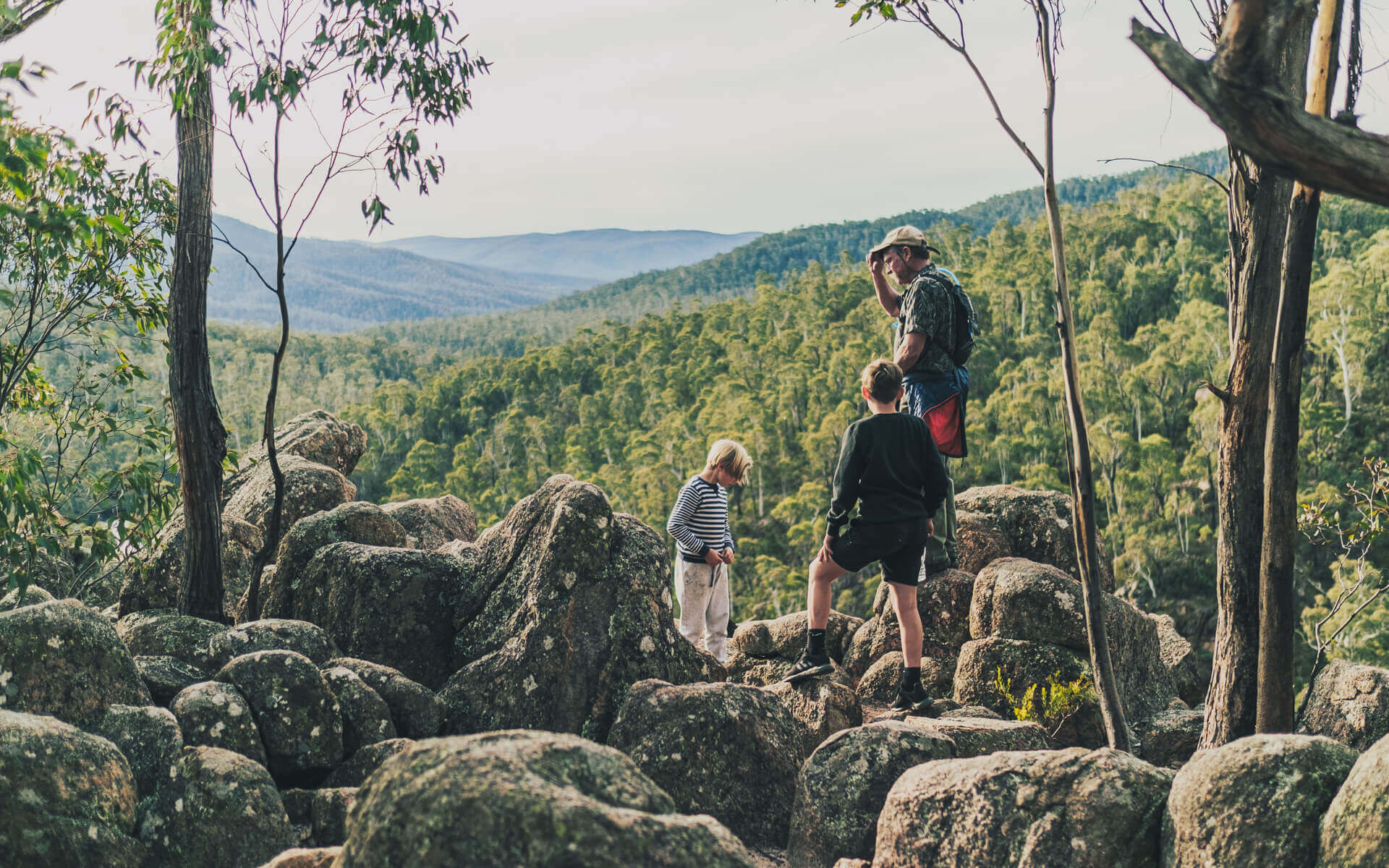
From whitewater rafting to hiking to road cycling or mountain biking, Omeo is an adventure lovers paradise.

Ride through the endless loops of rollers and berms on the pump track or practise your jumps and downhill expertise on the skills track. Are you ready?
SHOW METhe Omeo MTB trails are set to be the next kid on the block and unlike it’s surrounding alpine neighbours, the trails, pump and skills track will be available to ride all year round.
SHOW METhe Omeo MTB trails are set to be the next kid on the block and unlike it’s surrounding alpine neighbours, the trails, pump and skills track will be available to ride all year round.
SHOW ME
We’ve been told that the hills the region are reminiscent of some in Europe. Test out your on-road skills on the back-roads of Omeo.

Forging Ahead
While many of us enjoyed an extended break over the Christmas and New Year period, the dedicated team at ...